

High-speed sintering furnaces have become a cornerstone of modern dental CAD/CAM workflows, dramatically accelerating the final densification step for zirconia restorations. Traditional sintering cycles, often lasting 8-12 hours, have been shortened to as little as 40 minutes or less in advanced systems, enabling same-day or next-day deliveries while preserving essential mechanical and esthetic properties.
In the Asia Pacific (APAC) region, these advancements are progressing rapidly, driven by large-scale dental lab expansion, dental tourism, digital dentistry adoption, and strong local manufacturing capabilities. As of 2026, APAC leads global momentum in fast sintering technology deployment, particularly in China, India, Japan, and South Korea, where innovations focus on speed, energy efficiency, temperature uniformity, and material compatibility.
This article examines key technological progress, market drivers, regional adoption trends, challenges, and future outlook for high-speed sintering in CAD/CAM dentistry.
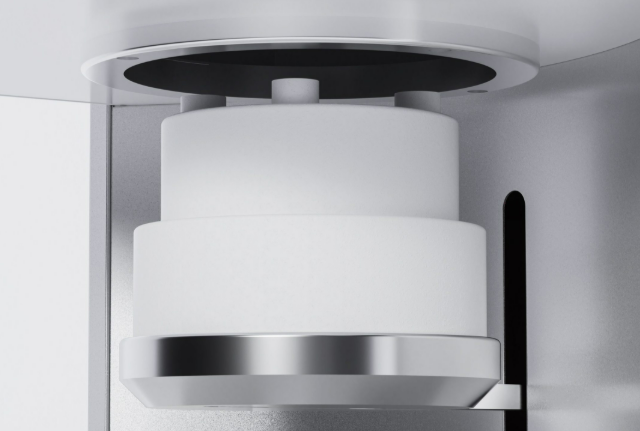
Core Technological Advancements in High-Speed Sintering
- Ultra-Rapid Heating Rates Modern furnaces achieve heating rates up to 200°C/min, compared to 10-30°C/min in conventional models. This aggressive ramp-up reduces overall cycle time while maintaining controlled grain growth and phase stability in zirconia. Studies confirm that optimized rapid protocols preserve flexural strength (often >1000 MPa) and translucency comparable to slow sintering.
- Shortened Cycle Times Breakthroughs enable full sintering of single crowns in 40 minutes and multi-unit bridges in under 60-90 minutes. This contrasts sharply with legacy 8+ hour cycles, supporting chairside and high-throughput lab workflows. Rapid cooling phases with precise control prevent cracking and ensure uniform shrinkage.
- Enhanced Temperature Control and Uniformity Advanced PID (Proportional-Integral-Derivative) systems and high-purity molybdenum disilicide heating elements deliver ±2°C accuracy. Multi-zone heating and improved chamber insulation minimize hot spots, achieving consistent density (>99%) across batches of up to 60 units.
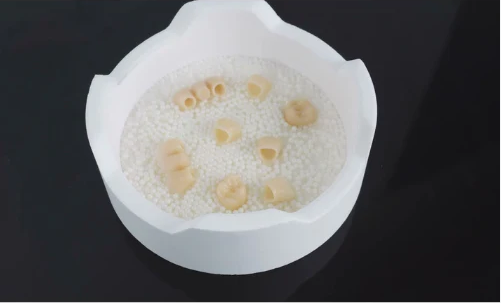
- Dual-Layer and High-Capacity Designs Dual-layer crucibles double throughput without compromising quality, ideal for busy labs processing 30-60 crowns simultaneously. These designs integrate seamlessly with CAD/CAM milling outputs.
- Energy Efficiency and Sustainability Shorter cycles reduce energy consumption per restoration by 50-70%. Newer models incorporate better insulation and adaptive power management, aligning with global sustainability goals.
- Smart Features and Integration Touchscreen interfaces, programmable curves (up to 200+ user-defined), automatic resume after power interruptions, and remote monitoring enhance usability. Compatibility with high-performance zirconia (flash or fast-sinter variants) optimizes results.
These improvements maintain or slightly improve translucency, fracture toughness, and biocompatibility, making high-speed sintering clinically viable for anterior and posterior restorations.
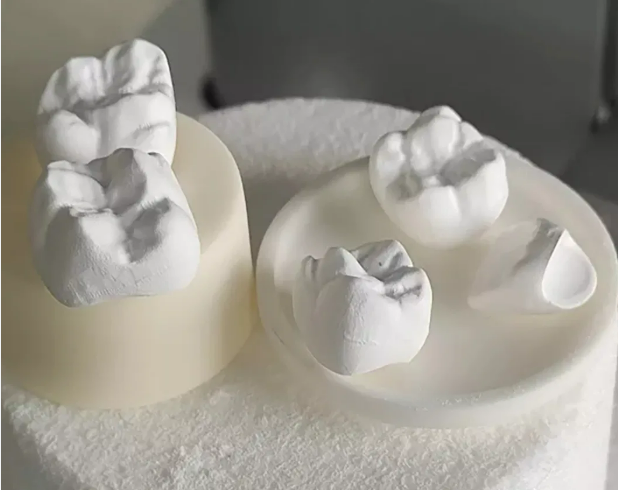
Regional Adoption and Market Trends in APAC
APAC is the fastest-growing region for fast sintering furnaces, with the broader zirconia-based dental materials market expanding at 8-10% CAGR. Urban labs in major cities lead adoption, supported by:
- China — Domestic innovation and manufacturing drive affordability and scale. Rapid urbanization and government digital health initiatives accelerate integration in Shanghai, Beijing, and Shenzhen labs.
- India — Dental tourism hubs (Delhi, Mumbai) adopt fast sintering for quick turnaround on international cases. Cost-sensitive private practices favor efficient systems.
- Japan — Precision-focused adoption supports aging demographics and high-esthetic demands. Government digital dentistry support ensures steady uptake in Tokyo and Osaka.
- South Korea — Cosmetic and implant-heavy workflows benefit from speed for same-day or next-day restorations.
APAC’s growth outpaces North America and Europe in volume, with urban clinics and labs achieving 70-80% penetration in leading markets. Dental tourism in Thailand and Vietnam further boosts demand for rapid processing.
Drivers of Progress in APAC
- Digital Workflow Integration — Seamless pairing with intraoral scanners, CAD design, and 5-axis milling enables end-to-end efficiency.
- Patient and Economic Demand — Rising aesthetic expectations and middle-class expansion favor fast, high-quality restorations.
- Local Manufacturing — Competitive pricing and supply chains reduce import dependency.
- Post-Pandemic Efficiency Needs — Emphasis on reduced turnaround times supports infection control and patient throughput.
Challenges and Limitations
- Material Compatibility — Not all zirconia performs equally under rapid protocols; optimized formulations are essential to avoid reduced translucency or strength.
- Initial Investment — High-speed models require capital, though payback occurs quickly via increased case volume.
- Training Requirements — Technicians need education on program selection and quality verification.
- Regulatory Consistency — Varying standards across countries affect cross-border adoption.
Despite these, ongoing refinements address concerns, with clinical evidence supporting equivalence to conventional sintering in most applications.
Future Outlook Beyond 2026
High-speed sintering will continue evolving with:
- Even shorter cycles (potentially 20-30 minutes) via advanced materials and furnace designs.
- AI-driven adaptive programs that optimize parameters based on restoration size and material.
- Greater chairside adoption for true same-day zirconia restorations.
- Enhanced sustainability through lower energy use and recyclable components.
APAC is expected to maintain leadership in deployment volume, contributing significantly to global digital dentistry growth. China and India will drive scale, while Japan and South Korea push precision innovations.
Conclusion
Technological advancements in high-speed dental sintering furnaces are reshaping CAD/CAM dentistry in Asia Pacific. Reduced cycle times, improved uniformity, and smart integration enable labs and clinics to deliver faster, high-quality zirconia restorations without compromising outcomes.
As adoption accelerates across China, India, Japan, and beyond, high-speed sintering becomes essential for competitive, patient-centered practices. Dental professionals investing in these technologies will benefit from efficiency gains, higher throughput, and enhanced satisfaction in the evolving digital era.
Monitor ongoing material and furnace innovations to maximize advantages in this dynamic region.
Post time: Feb-02-2026