

In the high-cost Nordic dental market, every piece of CAD/CAM equipment represents a significant investment. Intraoral scanners, design software, 5-axis milling machines, and sintering furnaces must deliver consistent precision and reliability for years to achieve a strong return on investment.
Poor calibration and irregular maintenance are among the leading causes of premature failure, increased downtime, and costly repairs. In 2026, leading Nordic clinics and labs follow standardized preventive maintenance protocols that can extend equipment lifespan by 30–50%, reduce unplanned downtime by up to 80%, and maintain the high accuracy required for predictable restorations.
This guide presents practical, region-specific calibration and maintenance strategies tailored to Nordic conditions — cold winters, high utilisation rates, strict EU MDR compliance requirements, and a strong focus on operational efficiency.
Why Standardized Maintenance Matters in the Nordic Context
Nordic clinics operate under unique pressures:
High labour and equipment costs make downtime extremely expensive.
Strict work-hour regulations limit after-hours repairs.
EU MDR requires documented evidence of equipment performance and traceability.
Harsh winters and dry indoor heating can affect machine stability and calibration.
Without a consistent maintenance programme, even high-quality CAD/CAM systems experience spindle wear, axis drift, reduced accuracy, and unexpected breakdowns. Standardized protocols help clinics avoid these issues while ensuring compliance and maximum uptime.
Core Components of a Standardized CAD/CAM Maintenance Programme
A successful programme includes three levels: Daily, Weekly, and Monthly/Quarterly routines, plus annual professional service.
1. Daily Quick Checks (5–10 minutes)
Visual inspection of the machine exterior, spindle, and tool changer.
Clean dust and debris from the milling chamber and filters (especially important with dry milling zirconia).
Verify coolant levels (if wet system) or extraction system function.
Run a short test cycle or calibration verification routine on the scanner or mill.
Record basic operational data (hours run, any error messages).
2. Weekly Calibration & Deep Cleaning (30–45 minutes)
Axis calibration — Use manufacturer-provided calibration phantoms or test pieces to check X/Y/Z and rotational accuracy on 5-axis mills.
Spindle run-out test — Ensure run-out stays within acceptable limits (typically <0.005 mm) to prevent vibration and poor surface finish.
Scanner calibration — Perform accuracy checks with calibration targets to maintain scan precision.
Thorough cleaning of linear guides, ball screws, and tool holders.
Check and clean or replace air filters and dust extraction bags.
3. Monthly/Quarterly Preventive Maintenance
Lubrication of moving parts according to schedule.
Comprehensive software diagnostics and firmware updates.
Inspection of electrical connections and cooling systems.
Measurement of repeatability and accuracy using certified test blocks.
Documentation of all checks for EU MDR compliance.
Annual professional service by certified technicians is recommended for spindle overhaul, full geometric calibration, and safety checks.
Specific Maintenance for Key CAD/CAM Equipment
Intraoral Scanners
Daily: Wipe tip and housing; store in protective case.
Weekly: Run calibration routine and check image quality.
Monthly: Update software and inspect USB/power connections.
5-Axis Milling Machines
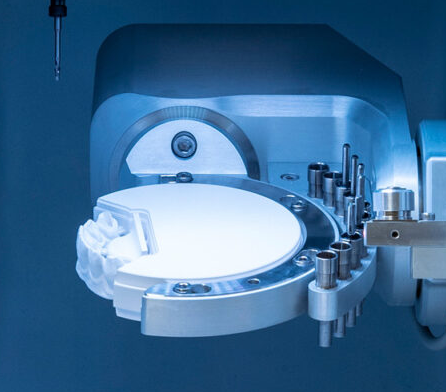
Focus on spindle health, axis alignment, and tool changer precision.
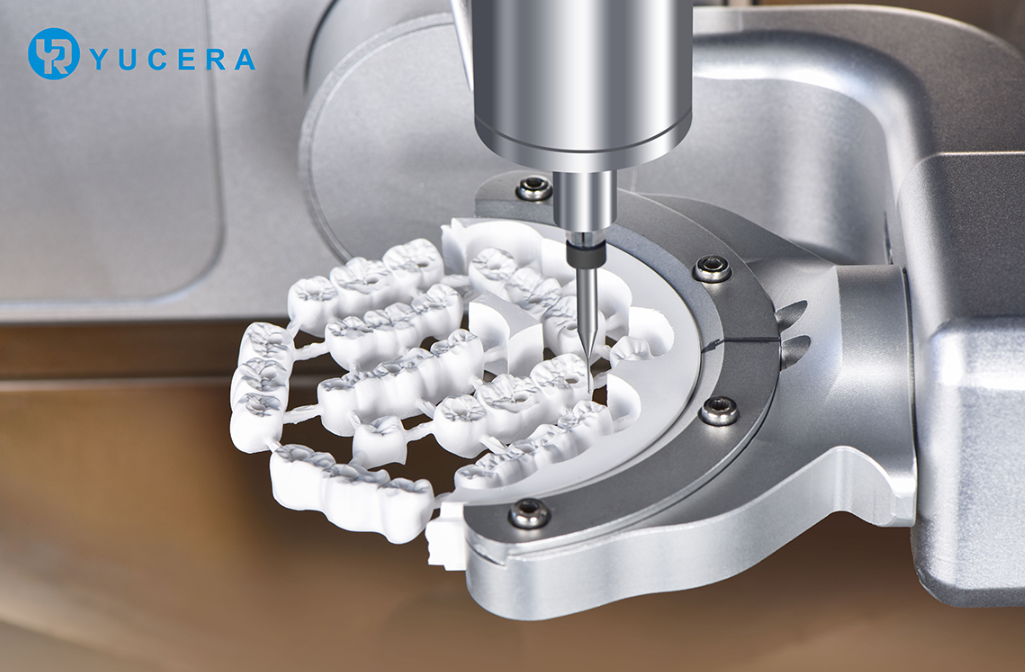
Dry milling systems require excellent dust extraction — clogged filters are a common cause of overheating and failure.
Monitor tool wear and replace burs at recommended intervals to protect the spindle.
Sintering Furnaces
Regular temperature uniformity checks using test thermocouples.
Clean heating elements and insulation.
Calibrate temperature profiles to ensure consistent zirconia shrinkage and strength.
Documenting Maintenance for EU MDR Compliance
Nordic clinics must maintain clear records of all calibration and maintenance activities. A digital logbook or CMMS (Computerised Maintenance Management System) should record:
Date and technician name
Equipment serial number
Type of check performed
Results (e.g., measured deviation values)
Any corrective actions taken
This documentation protects against regulatory issues and helps predict when major service or replacement will be needed.
Real Benefits Observed in Nordic Clinics
Clinics following standardized protocols typically experience:
Equipment lifespan extended from 5–7 years to 8–12+ years.
Unplanned downtime reduced dramatically (often to <2% of operating time).
Consistent restoration accuracy, leading to lower remake rates.
Easier staff training and smoother daily operations.
Better resale or trade-in value when upgrading.
In high-utilisation environments, these gains translate into significant cost savings and improved patient throughput.
Post time: Apr-07-2026