

Eastern European dental labs—in Poland, Hungary, Czech Republic, Romania, and Bulgaria—have rapidly embraced CAD/CAM for zirconia restorations, implants, and prosthetics. The choice between desktop scanners (lab-based model scanners) and intraoral scanners (chairside direct-mouth devices) significantly impacts workflow efficiency, accuracy, and cost.
Desktop scanners remain the backbone for many labs due to superior precision on gypsum or printed models, while intraoral scanners gain traction in clinics for same-day restorations and patient comfort. In 2026, hybrid adoption grows amid dental tourism and EU MDR compliance.
This comparison examines key factors—accuracy, speed, cost, usability, and regional fit—to guide Eastern European labs.
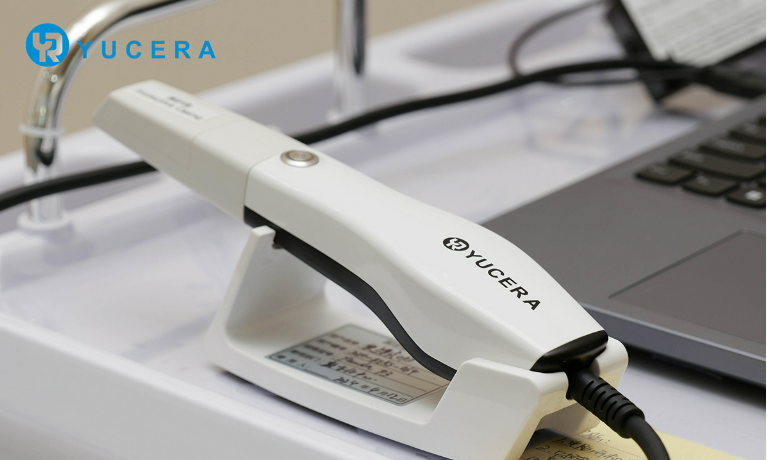
1. Accuracy & Precision (Trueness/Precision)
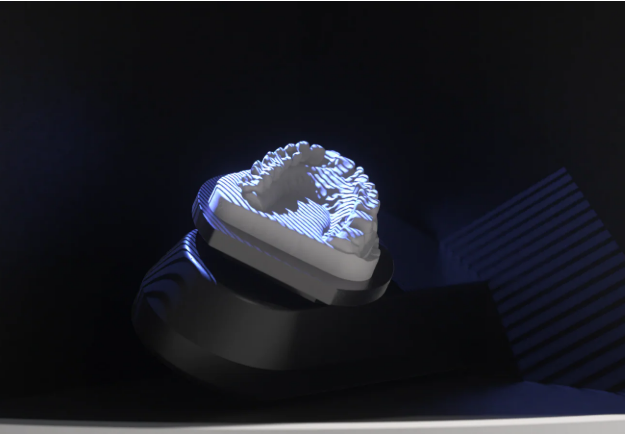
Desktop Scanners
- Excel in controlled lab environments.
- Achieve trueness of 5–20 μm for full-arch models; precision often superior due to stable conditions and reference objects.
- Studies show desktop scanners outperform intraoral in precision (lower deviation errors) for complete casts and dies.
- Ideal for zirconia marginal fit (critical <50–100 μm clinically) and complex cases (bridges, implants).
Intraoral Scanners
- Trueness typically 20–50 μm (full-arch); precision varies by device and operator skill.
- Recent models reach clinically acceptable levels (e.g., 14–30 μm in dentate cases), but artifacts from saliva, movement, or soft tissue can occur.
- Superior in some post-space or defect captures, but overall desktop often edges out for model-based zirconia workflows.
Winner for Precision: Desktop scanners—preferred in labs for final zirconia milling accuracy.
2. Speed & Workflow Efficiency
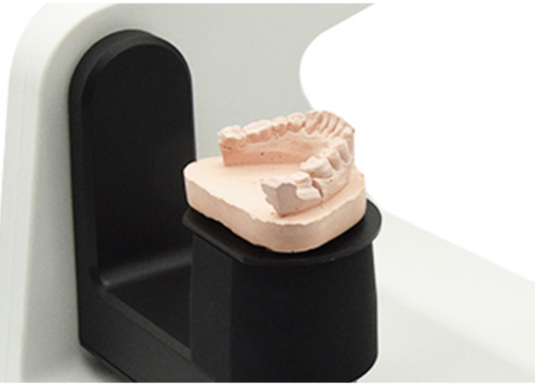
Desktop Scanners
- Scan time: 1–3 minutes per model (high-resolution).
- Require physical impressions/models → adds lab steps (pouring, trimming).
- Best for batch processing and high-volume zirconia production.
Intraoral Scanners
- Full-arch scans in 60–120 seconds (marketed); real-world 90–180 seconds.
- Enable chairside digital impressions → immediate CAD/CAM transfer, supporting same-day restorations.
- Eliminate impression materials, reducing patient chair time and gagging.
Winner for Speed: Intraoral scanners—for clinic efficiency and same-day cases.
3. Cost Considerations
Desktop Scanners
- Lower initial cost (often 30–60% less than premium intraoral units).
- No subscription fees typical; maintenance focused on calibration/cleaning.
- Suited for budget-conscious Eastern European labs.
Intraoral Scanners
- Higher upfront cost; some require subscriptions for software/updates.
- Reduce material costs (no alginate/silicone) and impression retakes.
- ROI faster in high-volume clinics via same-day workflows.
Regional Note: In Poland/Hungary, labs favor desktop for cost; Romanian clinics increasingly adopt intraoral for tourism-driven same-day services.
4. Usability & Patient/Operator Factors
Desktop Scanners
- Operator-dependent but controlled (no patient movement/saliva).
- Ideal for detailed lab work; easier training for technicians.
- No direct patient interaction → hygienic and comfortable.
Intraoral Scanners
- Patient-friendly: no gagging, taste, or mess.
- Powder-free modern units reduce discomfort.
- Operator learning curve steeper (technique-sensitive); saliva/movement challenges.
Winner for Usability: Intraoral for patients; desktop for lab consistency.
5. Best Applications in Eastern European Labs
- Desktop Scanners
- High-volume zirconia production (crowns/bridges).
- Complex cases (multi-unit, implants).
- Labs outsourcing impressions → superior model accuracy.
- Cost-sensitive or rural settings.
- Intraoral Scanners
- Chairside/same-day restorations.
- Dental tourism clinics (fast turnaround).
- Ortho/implant planning.
- Clinics with strong digital integration.
Hybrid Trend: Many Eastern European labs use both—desktop for precision model work, intraoral for clinic impressions—bridging lab-clinic workflows.
Regional Adoption Trends 2026
Eastern Europe’s dental labs market grows at ~5.27% CAGR (2025–2033), driven by digital adoption.
- Poland/Hungary: High desktop use for tourism outsourcing; intraoral rising in private clinics.
- Romania/Czech Republic: Cost barriers slow intraoral; desktop dominates for zirconia volume.
- EU MDR pushes traceable, high-accuracy tools → desktop favored for lab control.
Conclusion
Desktop scanners offer superior precision and cost-effectiveness for Eastern European labs focused on zirconia accuracy and volume. Intraoral scanners excel in speed, patient comfort, and same-day workflows—ideal for clinics.
Most successful labs adopt hybrid approaches: desktop for final precision, intraoral for efficient impressions. In 2026, choosing based on case mix, budget, and tourism demand optimizes outcomes across Poland, Hungary, Romania, and beyond.
Post time: Feb-12-2026