

In high-volume dental labs, SLA and DLP resin 3D printers produce surgical guides, temporaries, models, and aligners with sub-50-micron precision. Yet these machines are sensitive: uncured resin residue, dust, scratches on FEP film, miscalibration, or Z-axis wear cause 60–80% of common failures—leading to remakes, wasted resin, and hours of downtime.
Proper maintenance isn’t optional—it’s the difference between 99%+ success rates and frequent troubleshooting. Regular care extends FEP film life from 200–500 cycles to 1,000–2,000+, build platform longevity, and overall printer lifespan by 2–3 years while slashing repair costs.
This 2026 guide outlines practical, lab-proven routines for dental resin printers: daily/weekly tasks, monthly checks, and preventive strategies to keep your workflow reliable and profitable.
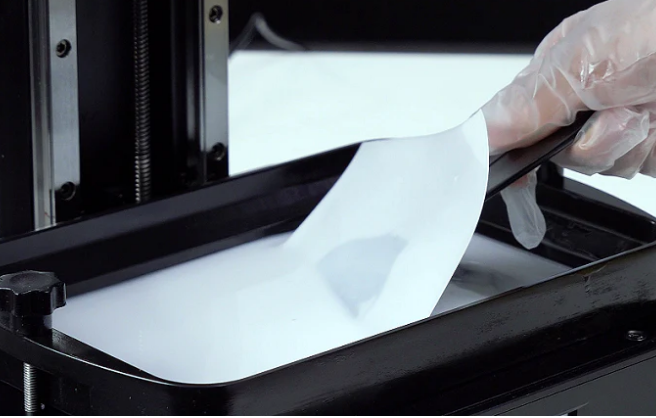
Weekly Maintenance: Calibration & Mechanical Checks (15–30 Minutes)
Weekly tasks catch wear before it causes Z-banding, layer shifts, or adhesion loss.
Recalibrate build platform
Level using paper-test method: Slight drag across all corners at Z=0.
Adjust Z-offset if first layers fail (increase bottom exposure 10–20% in cold labs).
Run exposure test print (e.g., resin validation matrix) every 1–2 weeks—adjust normal exposure ±0.5–1 s.
Clean optical path & screen
Wipe LCD screen/protective glass with microfiber + IPA. Remove dust from vents/fans.
Dust buildup reduces light uniformity → orange peel or inconsistent curing.
Check Z-axis & motion system
Inspect lead screw for dust/resin; clean with IPA. Lubricate lightly if manufacturer recommends (dry lube only—no oil near resin).
Tighten belts/screws; listen for unusual noise during homing.
Environmental control
Use enclosure/dehumidifier if humidity >40%—prevents moisture absorption in resin.
Pro Tip: Track prints per FEP/vat in a log. Replace FEP proactively at 800–1,000 cycles for high-detail dental work to avoid sudden quality drop.
Monthly / Quarterly Deep Maintenance: Extend Component Life
Deeper care prevents mechanical failures and maintains precision.
Full vat disassembly & deep clean
Drain resin, remove FEP frame, clean vat thoroughly with IPA/ultrasonic.
Inspect frame seals; replace if warped.
Optical window/LCD inspection
Check for resin splatter or scratches. Clean carefully; replace protective film if damaged.
Firmware & software update
Install latest firmware—often fixes exposure algorithms or improves reliability.
Replace wear parts
FEP film: Every 1,000–2,000 cycles or when cloudy/scratched.
Build platform: Resurface or replace if adhesion permanently fails.
UV LED: Monitor hours (typical 1,000–10,000 lifespan); dimming causes under-curing.
Data Insight: Labs with scheduled monthly deep cleans report 50–70% fewer unexpected downtime events and 2× longer vat/FEP life.
Common Failures & How Maintenance Prevents Them
Adhesion failure / nothing sticks → Dirty/smooth build plate or poor calibration. Fix: Weekly sand + recalibrate.
Delamination / layer separation → Scratched/cloudy FEP or contaminated resin. Fix: Daily filter + timely FEP replacement.
Z-banding / shifts → Z-axis wear or dust. Fix: Weekly clean/lube + tighten.
Surface artifacts (orange peel, lines) → Dirty optics or inconsistent exposure. Fix: Weekly screen clean + exposure test.
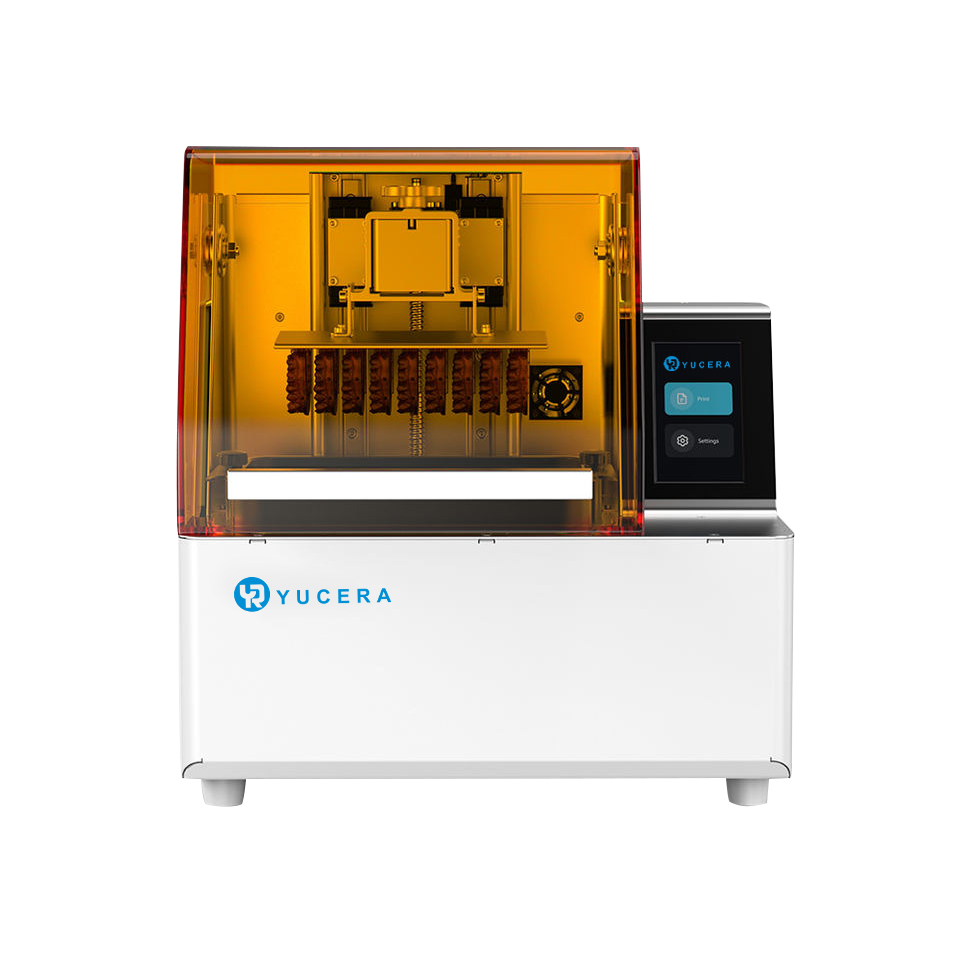
Preventive routines cut these by 60–85%, keeping success rates >98% for dental applications.
Conclusion: Maintenance = Profitability & Reliability
In 2026 dental labs, where same-day guides and temporaries are expected, printer downtime costs hundreds in lost productivity and remakes. A simple 5–30 minute routine—daily cleaning, weekly calibration, monthly deep checks—extends printer life, boosts print success to 98%+, and minimizes expensive repairs.
Start today: Set reminders, log maintenance, and train your team. Track failures before/after implementing—the reduction in downtime and resin waste will pay for itself quickly.
Treat your dental 3D printer like the precision instrument it is. Consistent care turns potential headaches into seamless, profitable production.
Post time: Mar-13-2026