

Dental CAD/CAM milling machines have revolutionized restorative dentistry, enabling precise, same-day crowns, bridges, and implant components from materials like zirconia, glass ceramics, and composites. With the global dental milling market expanding steadily through 2034, these subtractive systems deliver consistent quality and efficiency. Yet, persistent technical and operational hurdles continue to limit adoption and performance in many practices and labs.
This article outlines the key development challenges in current milling technology and the practical issues users face daily. Understanding these limitations helps dental professionals select the right equipment, optimize workflows, and prepare for future advancements in 2026 and beyond.
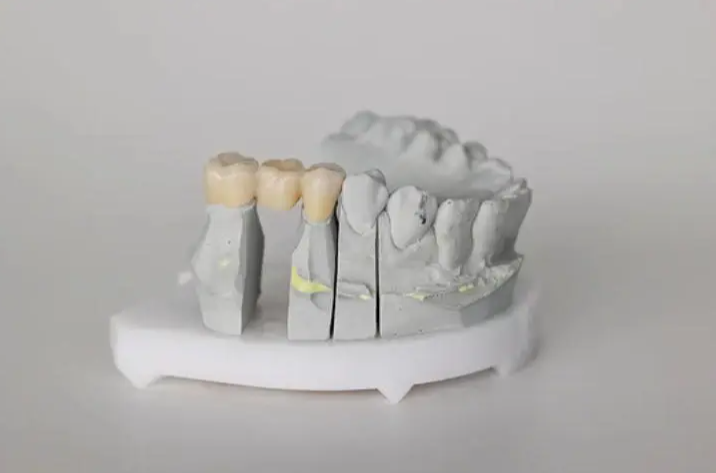
Development Challenges in Dental Milling Machines
Modern milling machines must balance speed, precision, versatility, and cost while handling diverse materials and complex geometries. Several inherent limitations remain.
High Initial and Ongoing Costs
Entry-level and advanced systems represent a significant capital investment. Reports indicate that approximately 41% of small dental clinics and labs cite equipment costs as a primary barrier to adoption. Beyond purchase price, recurring expenses for tools, blocks, maintenance contracts, and software updates add up quickly. Smaller practices often struggle with ROI timelines, especially when factoring in downtime during installation and training.
4-Axis vs. 5-Axis Limitations
4-axis machines handle most standard crowns and bridges efficiently but fall short on complex cases involving undercuts, angulated abutments, full-arch implant bridges, or custom bars. These require multiple setups or manual finishing, increasing time and remake risk. 5-axis systems provide continuous tool engagement and superior marginal/internal fit, milling complex restorations 40–60% faster in comparative tests. However, they command higher upfront costs, larger footprints, and more complex programming—making them overkill for basic workflows while remaining essential for advanced implant work.
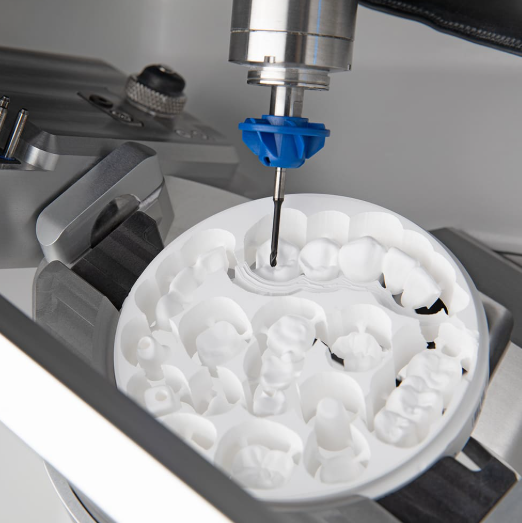
Accuracy, Calibration Drift, and Precision Constraints
Marginal gaps in milled restorations typically range 50–120 µm, meeting clinical thresholds but sensitive to variables like spindle runout, temperature fluctuations (as little as 8–11°C can cause expansion/contraction), and toolpath errors. Calibration drift over time leads to chipped margins, uneven surfaces, or dimensional inaccuracies. In-vitro studies emphasize that regular quality assurance is critical, yet many machines lack automated closed-loop monitoring, relying on manual checks that are prone to human error.
Tool Wear, Breakage, and Material Compatibility
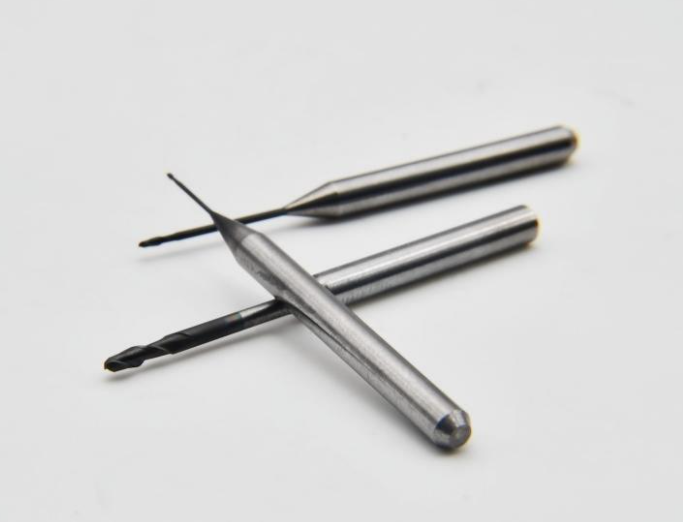
Milling tools experience rapid wear, especially during dry milling of hard materials like zirconia. Excessive wear causes poor surface finish, dimensional deviations, and premature tool failure. Wet milling reduces heat but introduces coolant management challenges, including filtration, contamination, and mess. Hybrid machines attempt to solve this but require meticulous maintenance to avoid spindle damage. Material limitations persist—some heat-sensitive ceramics risk micro-cracks in dry mode, while polymers and metals demand specific strategies, restricting one-machine versatility.
Processing Speed and Workflow Integration
Milling times for multi-unit or high-strength restorations can extend beyond chairside expectations, particularly with 4-axis systems or post-milling sintering for zirconia. Integration with intraoral scanners and design software remains imperfect, leading to CAM issues like suboptimal nesting, incorrect tool selection, or file compatibility problems. Data handoff errors (incomplete scans or poor margins) compound inefficiencies.
User Concerns and Practical Issues During Operation
Dentists, technicians, and lab owners report recurring frustrations that directly impact productivity and restoration quality.
Frequent Tool Replacement and Maintenance Downtime
Tool wear is the most cited daily complaint. Operators must constantly inspect burs for chipping or dulling, often replacing them after just a few cases to maintain precision. Unplanned downtime for cleaning coolant systems, removing dust buildup (in dry mills), or recalibrating axes disrupts schedules. Spindle runout and bearing wear further shorten tool life and require costly repairs.
Inaccurate Fits Leading to Remakes
Even minor calibration drift or vibration (“chatter”) produces marginal gaps or internal misfits, resulting in loose crowns, occlusal adjustments, or full remakes. Users report higher remake rates on complex cases with 4-axis machines, increasing material waste and patient chair time. Environmental factors like temperature variations exacerbate these issues in non-climate-controlled labs.
Steep Learning Curve and Training Demands
Mastering CAM strategies, toolpath optimization, and machine-specific maintenance requires 3–12 months of consistent practice for many technicians. Shortages of skilled operators remain a major barrier, forcing practices to invest heavily in training or outsource work.
Dust, Noise, and Coolant Management
Dry milling generates significant dust, requiring robust extraction systems, while wet milling demands ongoing coolant filtration and disposal. Both create noise and mess, affecting operatory comfort and long-term machine reliability if not managed properly.
Software and Ecosystem Integration Issues
Users frequently encounter nesting errors, unsupported thin walls, or connector under-dimensioning during CAM preparation. Poor interoperability with various scanner and design platforms forces extra steps or file conversions, slowing the digital workflow.
Practical Mitigation Strategies and Future Outlook
To address these challenges today:
- Invest in automated calibration features and predictive tool-wear monitoring where available.
- Choose 5-axis machines for implant-heavy practices or hybrid systems for material versatility.
- Implement strict maintenance protocols: daily cleaning, temperature control (±2°C ideal), and scheduled spindle checks.
- Use high-quality, material-specific tools and verify fits with digital verification tools before cementation.
- Provide ongoing staff training focused on CAM optimization.
Looking ahead to 2026–2030, advancements in AI-driven toolpath generation, closed-loop quality assurance, faster spindles, and improved hybrid milling will reduce many current limitations. Enhanced integration with 3D printing (hybrid workflows) and lower-cost 5-axis options are expected to broaden accessibility.
Conclusion
Dental milling machines deliver unmatched precision and efficiency for modern restorations, yet high costs, axis limitations, rapid tool wear, calibration demands, and integration hurdles continue to challenge developers and users alike. Technicians and clinicians consistently call for simpler maintenance, better accuracy safeguards, and more versatile multi-material capabilities.
By recognizing these issues and adopting evidence-based protocols, practices can minimize downtime, reduce remakes, and maximize ROI. The technology’s future is increasingly automated and accessible—but informed selection and proactive management remain essential for success in 2026 and beyond.
Post time: Mar-17-2026