

In North American dental clinics (United States and Canada), CAD/CAM intraoral scanners have become a cornerstone of digital dentistry in 2026. Adoption exceeds 60% in many regions, driven by improved accuracy, patient comfort, and workflow efficiency. Traditional impression methods—using alginate or polyvinyl siloxane—remain common but face competition from digital alternatives.
This analysis compares the return on investment (ROI) of intraoral scanners versus conventional impressions, focusing on time savings, cost reductions, remake rates, patient satisfaction, and payback periods. Data from clinical studies, market reports, and practice surveys show digital workflows often deliver strong ROI within 5-12 months for moderate-to-high-volume clinics.
Key Cost Components
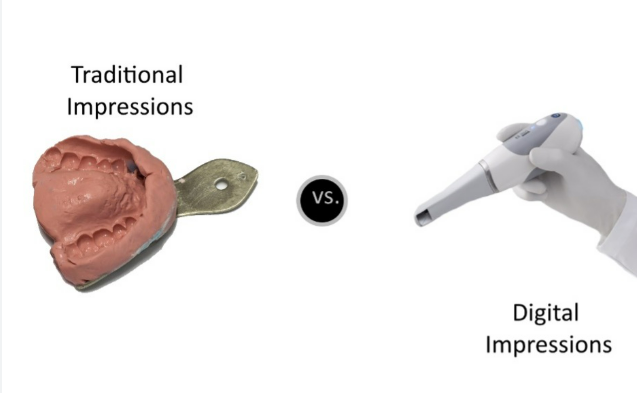
Intraoral Scanners
- Upfront investment: $17,000–$85,000 (scanner + software).
- Ongoing costs: $2,000–$3,000/year (subscriptions, maintenance, updates).
- No recurring material costs beyond minimal disposables (tips/covers).
Traditional Impressions
- Low upfront cost (trays, materials).
- Per-case costs: $20–$50+ (materials, shipping to labs).
- Hidden expenses: storage, disposal, retakes, and labor.
Time Savings & Efficiency Gains
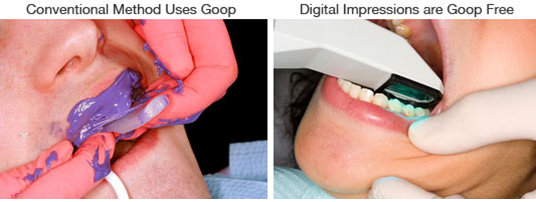
Intraoral scanning significantly reduces chair time.
- Full-arch digital impressions: 60–120 seconds (real-world average ~90 seconds).
- Conventional impressions: 5–15 minutes per arch (including setting, removal, cleanup).
- Studies show digital reduces total impression time by 20–40% per case (e.g., 14.1 min vs. 19.4 min per arch in implant cases).
- Per-patient (multiple arches): Digital often halves total time (24.8 min vs. 67.2 min in some analyses).
Faster scans allow more appointments daily, increasing case volume by 10–30% in efficient practices. Instant digital file transfer eliminates shipping delays (2–5 days saved), enabling same-day or next-day restorations.
Cost Reduction & Material Savings
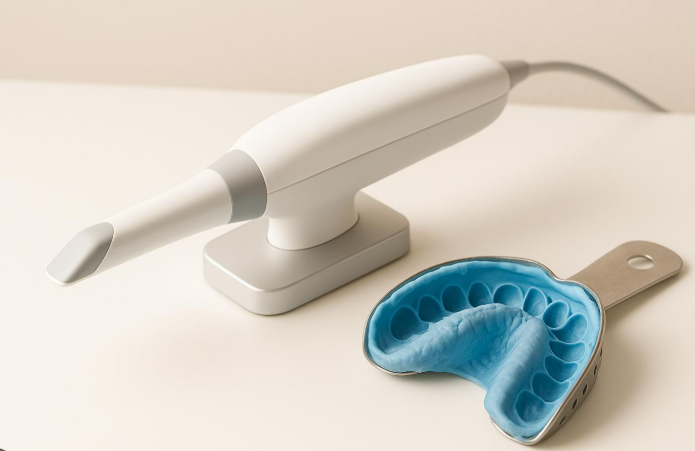
Digital eliminates recurring impression material expenses.
- Traditional: $500–$600/month in materials for moderate practices.
- Digital: Near-zero material costs after initial investment.
- Fewer remakes: Digital accuracy reduces adjustments/remakes (often 20–50% lower).
- One study found digital impressions 20–33% less expensive per case than extraoral scanning or stone models.
- Overall per-patient cost: ~$37–$50 digital vs. $100+ conventional (including labor/time).
Savings compound: a clinic with 2–5 impressions/day can offset scanner costs in 5–12 months (e.g., 1.04 years at 500 cases/year; 5 months at 1,250 cases/year).
Patient Experience & Case Acceptance
Intraoral scanners improve comfort—no gagging, taste, or mess.
- Patient preference: 50–70% favor digital over conventional.
- Higher acceptance: Clear visuals boost treatment plan uptake (e.g., 30% increase in prosthetic sales reported).
- Reduced retakes: Fewer discomfort-driven redos save time/money.
Remake Rates & Quality Impact
Digital impressions offer superior accuracy (sub-20 μm trueness in many systems).
- Fewer ill-fitting restorations → lower remake costs (materials + labor).
- Lab turnaround: Instant file transfer vs. shipping → faster production.
- Long-term: Better fit improves restoration longevity and patient satisfaction.
ROI Calculation Factors
Break-even Timeline
- Moderate practice (2 impressions/day): ~1 year.
- High-volume (5/day): 5–6 months.
- Additional revenue: Same-day restorations, expanded services (e.g., sleep appliances, ortho).
Other Benefits
- Sustainability: Less waste (no trays/materials).
- Insurance: Many North American plans reimburse digital at parity.
- Scalability: DSOs standardize scanners for network efficiency.
Challenges & Considerations
- Upfront cost: High barrier for small practices.
- Training: Learning curve (3–6 months competency).
- Maintenance: Annual fees.
- Hybrid use: Many clinics combine both methods.
Conclusion
In 2026 North American dental clinics, intraoral scanners deliver strong ROI through time savings (20–40%), material reductions, fewer remakes, and higher case acceptance—often paying for themselves in under a year. Traditional impressions remain viable for low-volume or budget scenarios, but digital workflows dominate for efficiency and profitability.
Practices evaluating adoption should calculate personalized ROI using case volume, fees, and remake rates. As digital penetration grows, clinics embracing intraoral scanning gain competitive advantages in patient care and business performance across the US and Canada.
Post time: Feb-25-2026