

Nordic countries lead Europe in environmental consciousness, with strong public and professional commitment to sustainability in healthcare. In dentistry, this translates into green dentistry — a movement that minimises waste, reduces energy consumption, and prioritises recyclable or low-impact materials while maintaining clinical excellence.
In 2026, CAD/CAM technology plays a central role in this shift. Digital workflows, particularly dry milling of zirconia and hybrid materials, significantly cut waste compared to traditional wet processes or analogue techniques. Innovations in recyclable dental consumables — from zirconia powder recycling to optimised PMMA reuse — enable labs and clinics to lower their carbon footprint without compromising restoration quality or efficiency.
This article examines how recyclable CAD/CAM consumables align with Nordic green values, the environmental and economic benefits, and practical innovations shaping sustainable restorative dentistry in Scandinavia.
Nordic Green Dentistry: Core Principles Driving Material Innovation
Nordic dental professionals prioritise practices that reduce environmental impact while delivering high-quality, patient-centred care. Key principles include:
Minimising single-use plastics and chemical waste
Reducing energy and water consumption
Promoting recyclable or biodegradable materials
Supporting circular economy approaches (reuse, recycle, remanufacture)
Aligning with EU sustainability regulations and national green initiatives
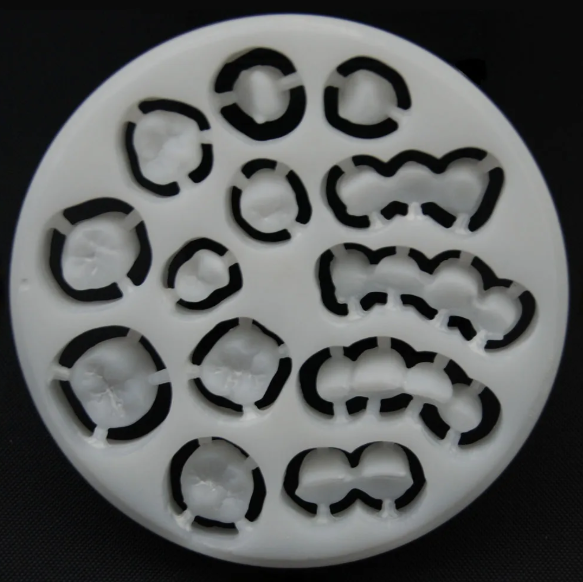
Digital CAD/CAM workflows support these goals by replacing messy analogue impressions (which generate contaminated waste) with powder-free scanning and precise milling. Dry milling, in particular, eliminates coolant liquids, filtration, and disposal — common sources of waste in traditional wet milling.
CAD/CAM Consumables Innovation: Focus on Recyclability
Modern CAD/CAM materials are evolving to meet sustainability demands:
Zirconia Recycling
Zirconia is one of the most widely used CAD/CAM materials for its strength, aesthetics, and biocompatibility. Milling generates residual powder and scraps. Emerging recycling processes allow separation and reprocessing of zirconia waste, enabling reintegration into new blocks or use as reinforcement in other composites. This reduces raw material demand and landfill waste while maintaining mechanical properties suitable for dental applications.
PMMA and Hybrid Materials
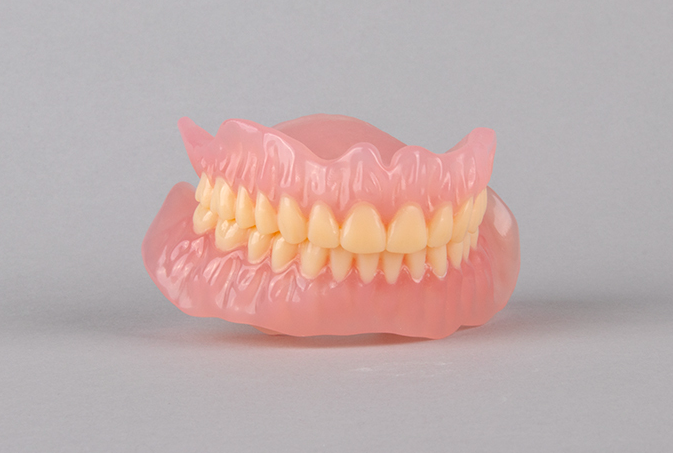
Recycled PMMA particles from milled discs can be incorporated back into virgin material for denture bases or temporary restorations. Studies show that carefully processed recycled PMMA maintains acceptable strength and can lower the environmental footprint of provisional prosthetics.
Dry Milling Advantages
Dry milling of zirconia and PMMA produces cleaner waste (mainly fine dust captured by efficient extraction systems) without coolant contamination. This simplifies recycling and reduces hazardous waste disposal costs. Labs using dry systems report lower overall material waste and easier compliance with green-lab standards.
Optimised Blanks and Packaging
Manufacturers increasingly offer mono-material or recyclable packaging, smaller blank sizes to minimise offcuts, and designs that improve nesting efficiency during milling.
These innovations help Nordic labs reduce their environmental impact while controlling costs in high-wage markets.
Environmental and Economic Benefits in the Nordic Context
Environmental Gains:
Digital impressions generate significantly lower carbon emissions than traditional analogue methods (often ~3 times lower per impression due to reduced disposable materials and waste).
Dry milling eliminates coolant-related water and chemical waste.
Recycling zirconia and PMMA reduces demand for virgin raw materials and lowers energy-intensive production.
Efficient nesting and toolpath optimisation in CAD software minimise scrap rates.
Economic Advantages:
Lower waste disposal and consumable costs (no frequent coolant changes or filtration).
Reduced remake rates through digital precision, saving materials and labour.
Higher throughput with automation, allowing labs to handle more cases with existing staff.
Stronger alignment with clinic and patient demand for sustainable care, enhancing partnerships.
In high-cost Nordic environments, these factors contribute to faster ROI on CAD/CAM investments and support long-term operational resilience.
Practical Implementation for Nordic Labs and Clinics
To adopt recyclable CAD/CAM consumables effectively:
Choose dry milling systems for zirconia and PMMA to simplify waste management.
Partner with suppliers offering take-back or recycling programmes for zirconia residues and packaging.
Optimise workflows with intelligent CAD software that maximises material usage and minimises offcuts.
Implement waste separation and track recycling rates to meet sustainability reporting requirements.
Educate teams and patients on the environmental benefits to build support for green practices.
Many labs start by auditing current waste streams, then gradually introduce recycled-content materials for non-critical applications (e.g., temporaries or models) before expanding to load-bearing restorations.
Challenges and Future Outlook
Challenges include ensuring recycled materials meet strict biocompatibility and mechanical standards, as well as scaling collection and processing infrastructure. However, ongoing research into zirconia reintegration and PMMA reuse shows promising results, with maintained performance in many applications.
In 2026 and beyond, tighter EU regulations on packaging, waste, and circular economy practices will further encourage innovation. Nordic dental professionals, already leaders in sustainability, are well-positioned to drive adoption of recyclable CAD/CAM consumables across Europe.
Conclusion: Sustainability as a Competitive Strength
Under Nordic green dentistry principles, recyclable dental materials and CAD/CAM consumables innovation represent both an environmental responsibility and a smart business strategy. Dry milling, zirconia recycling, and optimised digital workflows reduce waste, lower costs, and deliver high-quality restorations that meet patient and regulatory expectations.
By embracing these innovations, labs and clinics not only minimise their ecological footprint but also enhance efficiency, strengthen partnerships, and future-proof their operations in a sustainability-focused market.
Post time: Apr-14-2026