

Zirconia has become a preferred material for restoring primary teeth in children, especially for extensive caries, trauma, or post-pulp therapy cases. Its strength, aesthetics, and biocompatibility make it suitable for pediatric applications, offering an alternative to stainless steel crowns with superior esthetics and reduced plaque accumulation. In pediatric dentistry, zirconia restorations—whether prefabricated crowns or custom-milled from blocks—prioritize safety due to children’s developing tissues and higher sensitivity risks. Proper selection of zirconia blocks ensures optimal clinical performance while adhering to international safety standards.
The adoption of zirconia in pediatric care has grown significantly. Clinical studies and systematic reviews confirm high success rates, with zirconia crowns showing excellent retention, fracture resistance, and parent/child satisfaction compared to alternatives. For custom restorations using CAD/CAM, selecting appropriate zirconia blocks is essential to achieve predictable results in primary molars and incisors.
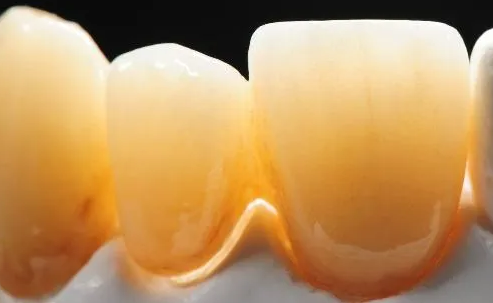
Key Properties of Zirconia for Pediatric Use
Zirconia, or zirconium dioxide, is a crystalline ceramic known for high flexural strength (often exceeding 1000 MPa in fully sintered form), fracture toughness, and natural translucency. In pediatric contexts, these properties support durable restorations that withstand chewing forces in growing mouths.
Biocompatibility stands out: zirconia is non-toxic, metal-free, and elicits minimal inflammatory or allergic responses. It avoids nickel or other metals that may cause sensitivities, making it ideal for children prone to allergies. Studies demonstrate low plaque deposition due to highly polished surfaces, promoting better gingival health around restorations. Cytotoxicity evaluations show no adverse effects on oral tissues, supporting long-term safety in primary dentition.
For pediatric restorations, zirconia blocks must provide adequate strength without excessive hardness that could wear opposing teeth. High-translucency variants enhance esthetics for anterior teeth, while standard or high-strength types suit posterior loads.
Safety Standards and Regulations
Safety in pediatric zirconia use aligns with international standards for dental materials and medical devices.
- ISO 10993 Series: Biological evaluation of medical devices includes tests for cytotoxicity, sensitization, irritation, and systemic toxicity. Zirconia consistently passes these, confirming biocompatibility for intraoral use.
- ISO 7405: Specific to dentistry, this standard outlines biological test methods for devices in contact with oral tissues. It ensures materials do not cause adverse reactions, crucial for children’s developing mucosa and pulp.
- ISO 6872: Governs ceramic materials for dental restorations, classifying zirconia by strength and translucency. Pediatric applications often use Class 4 or 5 materials for high flexural strength and fracture toughness.
- EU MDR 2017/745 and CE Marking: In Europe, including Eastern European countries like Poland, Hungary, Romania, and the Czech Republic, zirconia blocks for custom restorations fall under medical device regulations. CE marking verifies compliance with safety, performance, and risk management requirements.
Additional considerations include low radioactivity (zirconia naturally contains trace elements but within safe limits) and absence of leaching ions. Clinical evidence from randomized trials and reviews shows zirconia crowns exhibit superior gingival response and lower failure rates in primary teeth compared to some esthetic alternatives.
Parents often prioritize metal-free options; zirconia eliminates risks associated with metal allergies or corrosion. Systematic reviews highlight its reliability in esthetics, retention, and durability for primary molars and incisors.
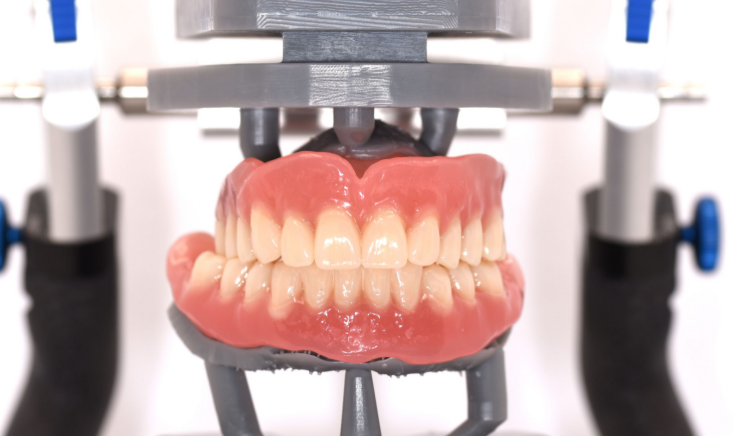
Selecting Zirconia Blocks for Children’s Restorations
Choose blocks based on clinical needs:
- Strength and Translucency: High-strength zirconia (e.g., 3Y-TZP) for posterior primary molars ensures durability under occlusal forces. High-translucency types suit anterior restorations for natural appearance.
- Composition and Purity: High-purity zirconium oxide minimizes impurities that could affect biocompatibility or mechanical properties.
- Pre-Sintered vs. Fully Sintered: Most CAD/CAM blocks are pre-sintered (soft-machined) for easier milling, shrinking 20-30% during final sintering to achieve full density.
- Pediatric-Specific Factors: Opt for blocks allowing precise marginal adaptation and minimal thickness to conserve tooth structure in small primary teeth. Avoid overly opaque variants that compromise esthetics in visible areas.
In Eastern Europe, where dental tourism and private pediatric practices grow, clinics select blocks compliant with EU standards for reliable outcomes and patient trust.
Processing Considerations: Milling and Sintering
Processing zirconia blocks for pediatric restorations requires precision to maintain safety and performance.
Milling:
- Use CAD/CAM systems for soft machining of pre-sintered blocks. This reduces tool wear and allows detailed designs.
- Design restorations 20-30% larger to compensate for sintering shrinkage.
- Ensure adequate wall thickness (minimum 0.8-1.0 mm for pediatric crowns) to prevent fracture while conserving tooth.
- Smooth margins and avoid sharp angles; pediatric preparations need more reduction (1.5-2 mm occlusal, 0.8-1.75 mm axial) for passive fit without crimping.
- Clean milled restorations thoroughly to remove debris before sintering.
Sintering:
- Perform in dedicated furnaces at 1450-1550°C, depending on zirconia type.
- Follow manufacturer-recommended cycles: conventional (6-8 hours) for optimal density, or speed/high-speed for efficiency.
- Controlled heating/cooling prevents cracks or distortions.
- Achieve full densification (>99.5%) for maximum strength and biocompatibility.
- Post-sintering: polish or glaze surfaces for smoothness, reducing plaque and improving gingival health.
In pediatric cases, precise processing minimizes adjustments, reducing chair time and discomfort. Errors in sintering can lead to reduced strength or poor fit, increasing remake risks.
Clinical Benefits and Challenges in Pediatric Applications
Zirconia restorations offer:
- High survival rates and esthetics.
- Less plaque accumulation and better periodontal response.
- Durability against childhood habits.
Challenges include greater tooth reduction and inability to crimp for fit. Proper block selection and processing mitigate these.
In regions like Eastern Europe, zirconia supports esthetic demands in growing dental markets.
Conclusion
Selecting zirconia blocks for pediatric restorations demands focus on biocompatibility, adherence to standards like ISO 10993, ISO 7405, and ISO 6872, and careful processing. High-purity, appropriately translucent and strong blocks, combined with accurate milling and sintering, deliver safe, durable, and esthetic outcomes for children’s teeth. As evidence supports zirconia’s advantages, it remains a valuable option in modern pediatric dentistry, enhancing smiles safely across diverse regions.
Post time: Jan-12-2026