

Strategies for U.S. Dental Labs to Overcome Orthodontic Occlusion Verification Problems
Introduction
Occlusion verification is a critical step in orthodontic treatment planning and restorative alignment. In U.S. dental laboratories, inaccuracies in occlusal registration remain one of the most common sources of adjustment delays, remakes, and chairside corrections.
Traditional methods—such as physical impressions, wax bites, and manual articulation—are still widely used, but they introduce variability due to material distortion, operator technique, and patient movement.
With the increasing adoption of digital dentistry workflows, dental labs are shifting toward intraoral scanning and CAD/CAM-based occlusal verification systems to improve consistency and reproducibility in orthodontic cases.
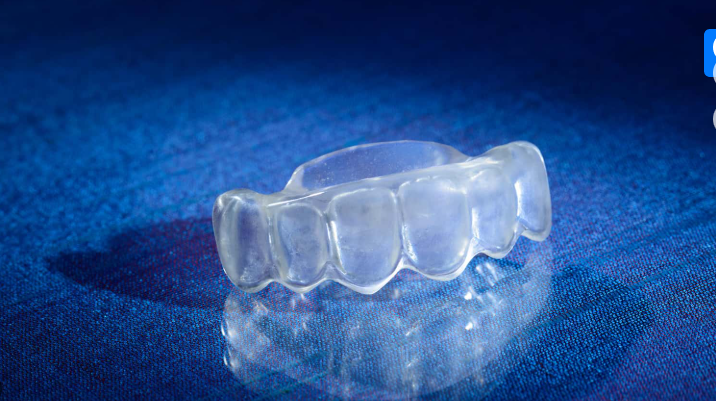
1. Understanding Occlusion Verification Challenges in Orthodontics
Occlusion verification refers to the process of ensuring that upper and lower dental arches align correctly under functional bite conditions. In orthodontics, this is particularly complex due to continuous tooth movement during treatment.
Key challenges include:
1.1 Material distortion in traditional impressions
Alginate and PVS impressions may deform during removal, disinfection, or transportation, affecting occlusal accuracy.
1.2 Inconsistent bite registration
Wax bite materials can compress differently depending on force application, leading to uneven vertical dimension records.
1.3 Multi-stage orthodontic movement
Teeth repositioning over time introduces changes in occlusion that require repeated verification.
1.4 Articulator limitations
Mechanical articulators cannot fully replicate dynamic occlusal motion, especially lateral and protrusive movements.
2. Digital Intraoral Scanning as a Core Solution
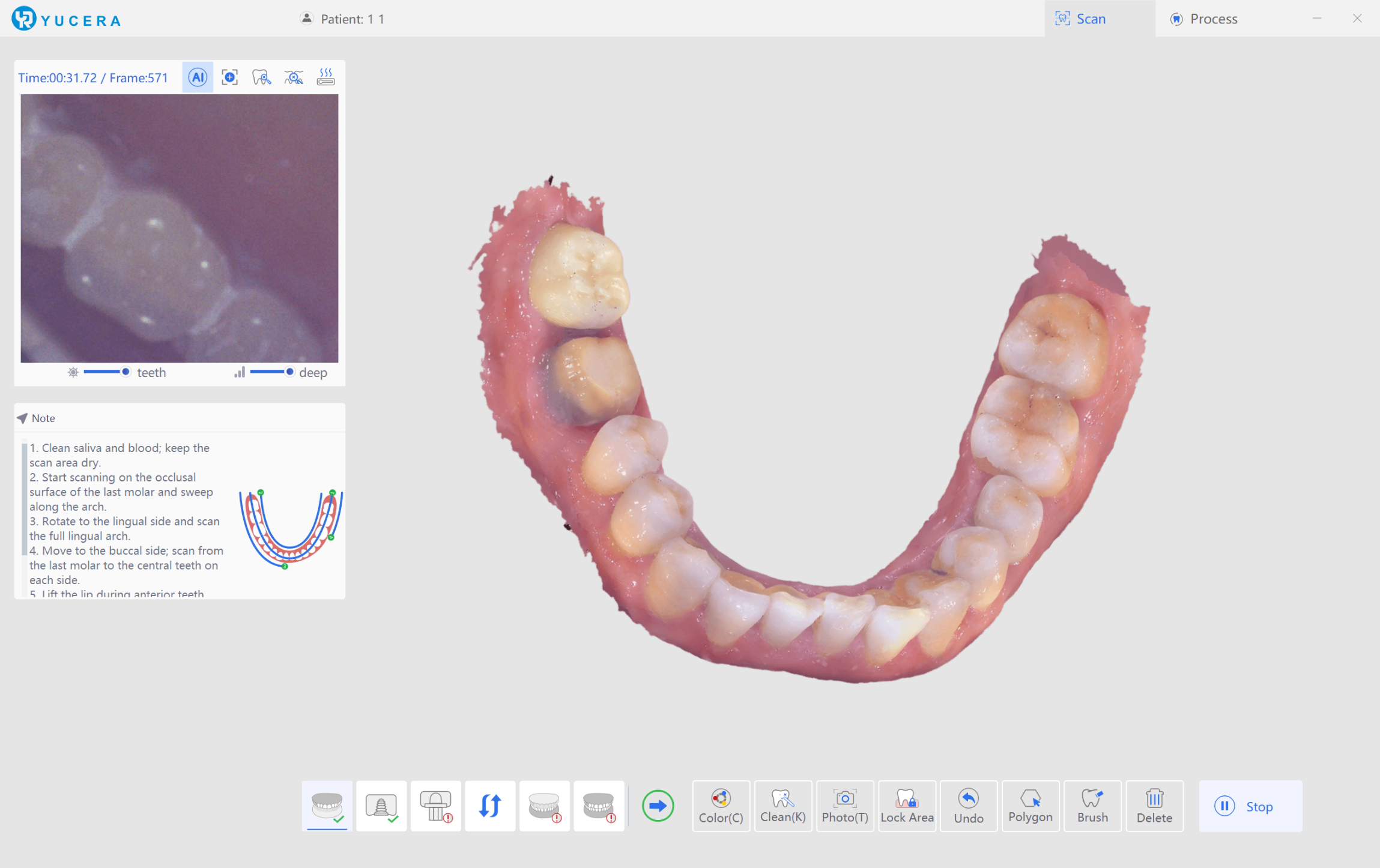
Modern U.S. dental labs increasingly rely on intraoral scanners (IOS) to eliminate the variability of physical impressions.
Technical advantages:
- High scanning accuracy: typically within the range of ≤15–20 μm depending on system calibration and scanning protocol
- Full-arch capture: reduces segmentation errors seen in sectional impressions
- Real-time visualization: enables immediate detection of missing or distorted data
- Reduced patient movement error: faster capture improves stability of occlusal records
In orthodontics, full-arch scanning is particularly important because occlusion must be analyzed in three dimensions rather than isolated contact points.
3. Full-Arch Occlusion Capture and Digital Bite Registration
A key improvement in modern workflows is the transition from static bite records to digital occlusion mapping.
Improvements include:
- Simultaneous upper/lower arch scanning
- Automatic occlusal alignment in CAD software
- Reduction of inter-arch registration errors
- Ability to capture multiple occlusal positions (centric, protrusive, lateral)
Studies in digital dentistry workflows indicate that eliminating physical bite materials significantly reduces variability introduced during model mounting and trimming processes.
4. CAD/CAM-Based Occlusion Verification
Once scan data is captured, it is processed in CAD software for occlusal analysis.
Core functions:
4.1 Virtual articulation
Simulates mandibular movement digitally instead of relying on mechanical articulators.
4.2 Contact point mapping
Identifies premature contacts and interference zones with color-coded analysis.
4.3 Alignment correction
Enables adjustments before fabrication of orthodontic appliances or restorations.
This digital step is particularly important for aligners, retainers, and fixed orthodontic appliances where precision directly impacts treatment success.
5. Standardized Workflow Strategies for Dental Labs
To overcome occlusion verification problems, U.S. dental labs are implementing structured digital protocols:
5.1 Standardized scanning protocol
- Consistent scanning path (posterior → anterior → occlusal surfaces)
- Stable patient bite positioning
- Controlled scanning environment (light and moisture management)
5.2 Calibration and system validation
Regular calibration ensures scanner accuracy remains within clinically acceptable tolerance ranges.
5.3 Cross-platform CAD/CAM integration
Ensuring compatibility between scanning software and orthodontic design systems reduces data loss during file conversion.
5.4 Digital verification checkpoints
Introducing validation stages before appliance fabrication:
- Scan completeness check
- Occlusion alignment review
- Interference simulation
6. Clinical and Laboratory Benefits
Adoption of digital occlusion verification provides measurable workflow improvements:
6.1 Improved reproducibility
Digital scans reduce operator-dependent variation in impressions and articulation.
6.2 Reduced adjustment cycles
More accurate initial occlusion reduces chairside correction visits.
6.3 Faster turnaround time
Elimination of physical model shipping accelerates orthodontic workflows.
6.4 Better predictability in orthodontic treatment
More accurate bite registration improves long-term alignment consistency.
7. Common Limitations and Considerations
Despite improvements, digital occlusion workflows still require attention to several factors:
- Scanner calibration drift over time
- Learning curve for accurate full-arch scanning
- Data stitching errors in long-span scans
- Software interpretation differences between platforms
Proper training and standardized protocols remain essential for achieving consistent outcomes.
8. Future Trends in Occlusion Verification
The next phase of development in orthodontic occlusion verification is expected to focus on:
- AI-assisted occlusal analysis
- Real-time dynamic bite simulation
- Improved full-arch scanning algorithms
- Cloud-based collaborative orthodontic planning
These advancements aim to further reduce manual intervention and improve treatment predictability.
Conclusion
Occlusion verification challenges remain a significant concern in orthodontic treatment workflows across U.S. dental laboratories. However, the integration of intraoral scanning, CAD/CAM-based occlusal analysis, and standardized digital protocols provides a reliable pathway to improved accuracy and consistency.
By adopting structured digital workflows, dental labs can reduce variability, improve orthodontic outcomes, and enhance overall operational efficiency in modern restorative and orthodontic cases.
Post time: May-13-2026