

What Determines Natural Tooth Color? The Science Behind Natural-Looking Dental Restorations
Natural teeth are rarely a uniform shade of white. Every tooth has unique optical characteristics created by its internal structure, surface texture, and the way light interacts with dental tissues. Understanding these factors is essential for clinicians, dental laboratories, and manufacturers aiming to produce highly aesthetic restorations.
Modern digital dentistry has made it possible to reproduce natural tooth appearance with remarkable accuracy. However, successful shade matching depends on much more than selecting an A1 or B2 shade. It requires an understanding of tooth anatomy, color science, restorative materials, and digital workflows.
This article explains the biological and optical factors that determine natural tooth color and how these principles are applied in contemporary CAD/CAM restorations.
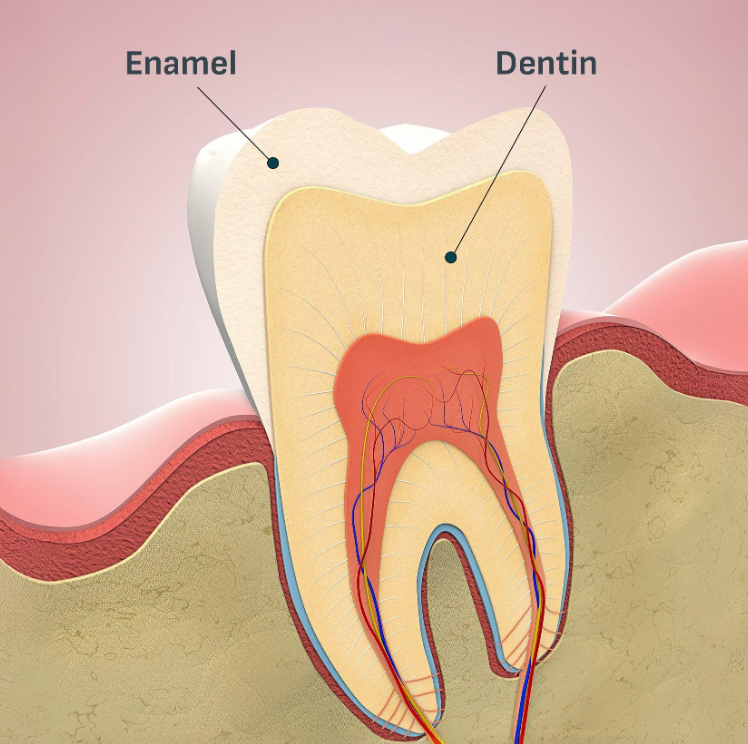
The Structure of a Natural Tooth
Natural tooth color begins with tooth anatomy. Two tissues work together to create the final appearance.
Enamel
Enamel is the outer protective layer of the tooth. It is highly mineralized and contains very little pigment. Instead of contributing strong color, enamel primarily influences:
- Light transmission
- Surface gloss
- Transparency
- Opalescence
Because enamel is semi-translucent, light can pass through it before being reflected back to the observer.
The thickness of enamel also affects how bright or translucent a tooth appears. Younger teeth generally have thicker enamel and therefore exhibit greater translucency than teeth affected by years of wear.
Dentin
Dentin lies beneath enamel and is the primary source of natural tooth color.
Unlike enamel, dentin contains organic components that create shades ranging from light yellow to reddish-yellow. Studies in restorative dentistry indicate that dentin contributes the majority of a tooth’s perceived color, while enamel modifies how that color is displayed through light transmission.
This combination creates the layered optical effect that gives natural teeth their vitality.
Light Determines How Teeth Look
Human eyes do not perceive tooth color directly. Instead, we see light reflected from dental tissues.
Several optical properties influence this process.
Translucency
Natural enamel allows part of the incoming light to pass through while reflecting the remainder. This balance between transmission and reflection creates depth instead of a flat appearance.
Materials that are excessively opaque often appear artificial, while overly translucent restorations may reveal the underlying tooth structure.
Surface Texture
Microscopic grooves and developmental lines scatter light in different directions.
A smooth polished surface reflects more light and appears brighter, whereas textured enamel creates subtle variations that enhance natural aesthetics.
Gloss
Surface gloss significantly affects perceived brightness.
Even when two restorations share the same shade designation, differences in polishing or glazing can make one restoration appear lighter than the other.
Why Teeth Are Different Colors
Natural dentition is not perfectly uniform.
Several biological factors contribute to color variation.
Tooth Position
Different teeth perform different functions and therefore exhibit different optical characteristics.
Generally:
- Central incisors show the highest brightness.
- Lateral incisors appear slightly darker.
- Canines usually possess the highest chroma and a warmer yellow hue.
- Posterior teeth often exhibit lower brightness due to increased dentin thickness.
These differences are considered normal and should be reproduced during aesthetic restorations.
Age
Tooth color naturally changes throughout life.
As enamel gradually wears, more dentin becomes visible, causing teeth to appear:
- Darker
- More yellow
- Less translucent
This physiological process explains why younger patients often have brighter smiles than older adults.
Individual Variation
Genetics influence enamel thickness, dentin composition, and tooth morphology.
Lifestyle factors such as diet, smoking, and long-term exposure to pigments can further modify tooth appearance over time.
Understanding the Three Dimensions of Tooth Color
Dental professionals evaluate tooth color using three primary dimensions.
Hue
Hue represents the basic color family.
Examples include:
- Yellow
- Yellow-red
- Grayish tones
Hue provides the fundamental identity of the tooth color.
Value
Value refers to brightness.
Among all color parameters, value is generally considered the most critical because the human eye detects brightness differences more readily than hue variations.
Selecting an incorrect value often results in restorations that appear immediately unnatural.
Chroma
Chroma measures color intensity or saturation.
Higher chroma produces richer, warmer colors, while lower chroma creates softer and lighter appearances.
Balancing these three dimensions is essential for successful shade matching.
Why Shade Matching Can Be Challenging
Clinical shade matching involves more than comparing a restoration with a shade guide.
Several factors influence the final result:
- Lighting conditions
- Tooth hydration
- Viewing angle
- Background color
- Restoration thickness
- Material translucency
- Surface finish
- Sintering conditions
For this reason, experienced clinicians often evaluate shades under standardized daylight conditions before treatment.
Digital Dentistry Improves Color Reproduction
Digital workflows have significantly improved consistency in restorative dentistry.
A typical workflow includes:
- Intraoral scanning
- Digital CAD design
- CAM milling
- Material coloring (when applicable)
- High-temperature sintering
- Finishing and polishing
- Clinical evaluation
Each stage influences the final appearance of the restoration.
Modern CAD/CAM technology enables technicians to control restoration thickness with high precision, helping reproduce natural translucency more consistently than conventional manual fabrication.
Material Selection Matters
The restorative material plays a decisive role in aesthetic outcomes.
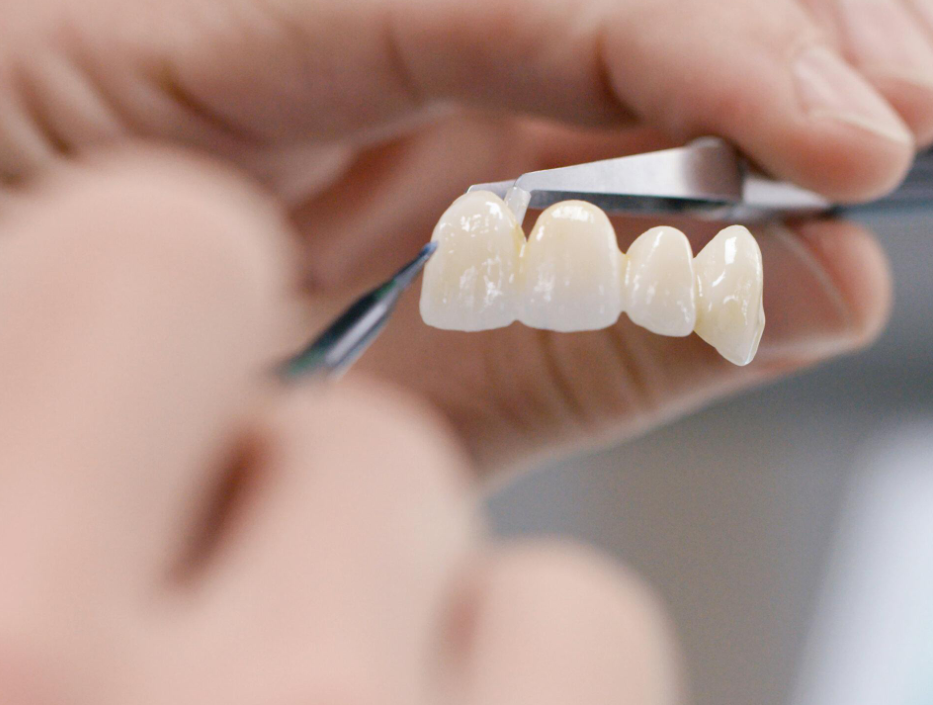
For example, modern multilayer zirconia is designed to mimic the gradual transition observed in natural teeth by incorporating different translucency and shade zones from cervical to incisal regions.
Material properties such as grain size, density, and translucency influence how light interacts with the restoration after sintering.
When combined with proper shade selection and accurate processing, these materials can produce restorations that closely resemble natural dentition.
Clinical Tips for More Natural Shade Matching
To improve aesthetic outcomes, clinicians and technicians should consider the following recommendations:
- Perform shade selection before tooth dehydration.
- Use consistent, color-corrected lighting.
- Evaluate value before hue and chroma.
- Consider adjacent teeth rather than focusing on a single tooth.
- Select restorative materials with optical properties appropriate for the clinical indication.
- Maintain consistent processing parameters throughout milling, coloring, and sintering.
- Verify shade after finishing and polishing, as surface treatment influences perceived brightness.
Following standardized protocols reduces remakes and improves patient satisfaction.
The Future of Natural Color Reproduction
Artificial intelligence, digital shade analysis, and advanced restorative materials are transforming aesthetic dentistry.
Digital shade measurement systems can reduce subjective variation, while improvements in CAD/CAM manufacturing continue to enhance consistency across restorations.
Future developments are expected to integrate intelligent shade analysis, digital workflow automation, and highly biomimetic materials to reproduce natural tooth color with even greater precision.
Conclusion
Natural tooth color is the result of a complex interaction between enamel, dentin, light, and optical properties rather than a single shade designation. Factors such as translucency, brightness, chroma, tooth anatomy, and age all contribute to the appearance of a healthy natural smile.
For modern dental laboratories and clinicians, understanding these principles is essential for delivering predictable aesthetic restorations. Combined with standardized shade selection, advanced restorative materials, precise CAD/CAM manufacturing, and stable processing protocols, today’s digital workflows make it possible to achieve restorations that blend harmoniously with natural dentition.
Ultimately, successful aesthetic dentistry is not about creating the whitest restoration—it is about reproducing the unique optical characteristics that make every natural tooth look alive.
Post time: Jul-03-2026