

Why Patients Prefer Digital Scan Machines Over Traditional Impressions
Digital dentistry is rapidly transforming the patient experience in modern dental practices. As clinics continue adopting digital workflows, more patients are being introduced to digital scan machines as an alternative to traditional dental impressions.
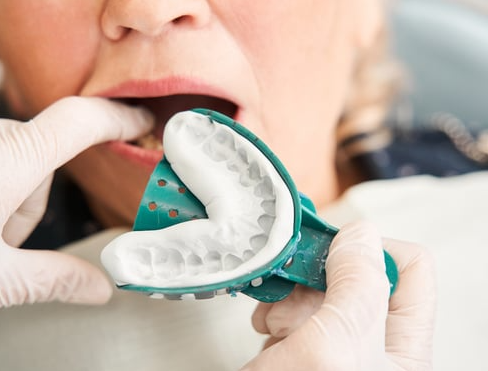
For decades, traditional impressions using trays and impression materials were considered standard practice in restorative dentistry, orthodontics, and implant treatments. However, many patients found the process uncomfortable, time-consuming, and unpleasant.
Today, digital scan equipment is changing how patients experience dental care. Modern intraoral scanning technology allows clinicians to capture detailed digital impressions more comfortably and efficiently while improving communication and workflow accuracy.
As patient expectations continue evolving, digital scanning is becoming an important part of modern dental practice workflows focused on comfort, efficiency, and precision.
This article explores why patients increasingly prefer digital scan machines over traditional impressions and how digital workflows are improving the overall dental experience.
The Challenges of Traditional Dental Impressions
Traditional impression techniques have been widely used for many years, but they often create discomfort for both patients and clinicians.
Common challenges include:
- Gag reflex discomfort
- Unpleasant taste and texture
- Long chairside time
- Impression material distortion
- Repeat impressions due to errors
- Patient anxiety during treatment
For some patients, especially those with strong gag reflexes or dental anxiety, traditional impressions can become one of the most stressful parts of a dental appointment.
In busy dental practices, traditional impressions may also increase workflow inefficiency due to:
- Manual handling steps
- Material preparation time
- Retakes caused by inaccuracies
- Longer laboratory communication processes
As digital dentistry advances, more practices are moving toward digital impression workflows to reduce these limitations.
What Is a Digital Scan Machine in Dentistry?
A digital scan machine, also known as an intraoral scanner, is a device used to capture highly detailed digital impressions of the patient’s oral structures.
Instead of using impression trays and physical materials, the scanner captures real-time digital images that are converted into a 3D model for restorative or orthodontic workflows.
Modern dental scan equipment is commonly used for:
- Crown and bridge restorations
- Implant workflows
- Orthodontic treatment
- Veneers and cosmetic dentistry
- Full-mouth rehabilitation
- Digital treatment planning
Digital impressions can then be transferred directly into CAD/CAM systems or sent electronically to dental laboratories.
This digital workflow helps improve communication, efficiency, and restoration consistency.
Why Patients Prefer Digital Scan Machines
Patient expectations in dentistry are changing rapidly. Modern patients increasingly value:
- Comfort
- Speed
- Convenience
- Technology-driven care
- Better communication during treatment
Digital scan machines address many of the frustrations associated with traditional impressions.
1. Greater Comfort During Treatment
One of the biggest reasons patients prefer digital scanning is improved comfort.
Traditional impression trays often create:
- Pressure inside the mouth
- Difficulty breathing comfortably
- Excess saliva buildup
- Unpleasant taste sensations
For patients with strong gag reflexes, impression materials may trigger nausea and discomfort.
Digital scan machines eliminate the need for bulky impression trays and heavy impression materials. Instead, clinicians use a lightweight handheld scanner to capture digital images gradually and comfortably.
This significantly reduces patient stress during appointments.
2. Reduced Gag Reflex Issues
Gag reflex sensitivity is one of the most common complaints associated with traditional impressions.
Patients who struggle with:
- Dental anxiety
- Sensitive gag reflexes
- Claustrophobic discomfort
- Difficulty tolerating impression trays
often prefer digital impressions because scanning is less invasive.
Digital scanning minimizes deep tray placement and reduces the amount of material placed inside the mouth, helping patients feel more relaxed during treatment.
For many practices, digital scan equipment has improved the overall patient experience for anxious patients.
3. Faster Appointment Experience
Time efficiency is becoming increasingly important in modern dental practices.
Traditional impressions often involve:
- Tray selection
- Material mixing
- Impression setting time
- Inspection and possible retakes
Digital scan machines simplify this process by capturing digital impressions in real time.
Modern scan equipment can support fast full-mouth scanning workflows, helping practices:
- Reduce appointment duration
- Improve chairside efficiency
- Minimize retakes
- Increase patient throughput
Patients generally appreciate shorter and more efficient appointments, especially in busy clinical schedules.
4. Improved Communication and Visualization
Digital scanning also improves communication between clinicians and patients.
Traditional impressions provide little visual feedback during treatment discussions. In contrast, digital scan machines generate highly visual 3D images that patients can view immediately.
This helps patients better understand:
- Tooth conditions
- Treatment recommendations
- Restoration designs
- Occlusal relationships
- Orthodontic planning
When patients can clearly visualize treatment needs, they often feel more involved in the decision-making process.
Improved visualization may also increase:
- Treatment acceptance
- Patient confidence
- Understanding of procedures
Digital communication is becoming an increasingly important part of modern patient-centered dentistry.
5. Better Accuracy and Fewer Retakes
Patients may not always recognize the technical side of digital dentistry, but they often appreciate the practical benefits of improved accuracy.
Traditional impressions can sometimes experience:
- Material distortion
- Air bubbles
- Incomplete margins
- Improper seating
- Dimensional changes
When these problems occur, clinicians may need to retake impressions, increasing appointment time and patient frustration.
Digital scan equipment helps reduce many of these issues by improving data capture consistency and reducing manual workflow errors.
Improved digital accuracy may contribute to:
- Better restoration fit
- Fewer remakes
- Reduced adjustment time
- More predictable treatment outcomes
For patients, fewer adjustments often mean a smoother treatment experience.
6. A More Modern Dental Experience
Many patients associate digital technology with higher-quality care.
Modern scan machines help create a more advanced clinical environment by supporting:
- Digital workflows
- Real-time imaging
- Technology-driven treatment planning
- Improved workflow efficiency
Patients increasingly expect dental practices to adopt modern technologies that improve convenience and treatment quality.
Digital dentistry also supports a more professional and innovative patient perception of the clinic.
How Digital Scan Equipment Improves Dental Practice Workflows
The benefits of digital scanning extend beyond patient comfort.
For dental practices, digital workflows help improve:
- Clinical efficiency
- Laboratory communication
- Restoration turnaround time
- Data management
- Workflow consistency
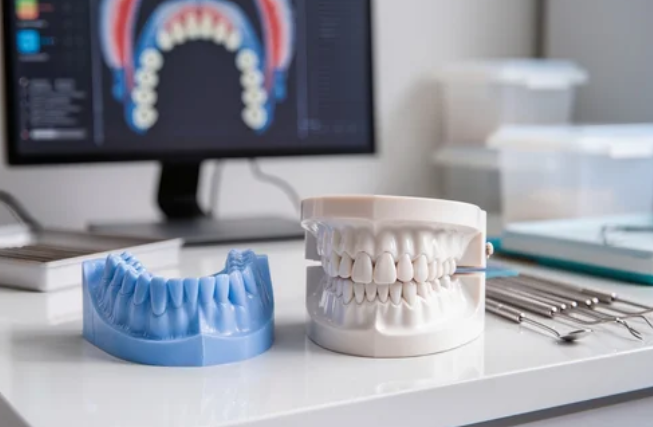
Digital scan equipment also supports integration with:
- CAD/CAM systems
- Implant planning software
- Orthodontic workflows
- Digital treatment planning platforms
As restorative dentistry becomes increasingly digital, scan machines are becoming central to efficient clinical operations.
The Role of AI in Modern Digital Scanning
Artificial intelligence is becoming increasingly important in digital dentistry.
Modern AI-assisted scanning systems may help:
- Improve scanning efficiency
- Optimize scan paths
- Reduce unnecessary rescanning
- Simplify operator workflows
AI-supported digital scanning can improve workflow consistency while reducing operational complexity for clinicians.
As practices continue growing, intelligent scanning systems may help improve both efficiency and patient experience.
Common Misconceptions About Digital Scan Machines
“Digital scanning is only for large clinics.”
Today, digital scanning is becoming increasingly accessible for practices of various sizes.
“Traditional impressions are always more accurate.”
Modern digital scanning systems are designed to provide highly detailed and consistent data for restorative workflows.
“Digital scanning is difficult to learn.”
Many modern systems focus on intuitive workflows and simplified user operation.
“Patients do not care about scanning technology.”
In reality, many patients strongly prefer more comfortable and efficient digital experiences.
The Future of Patient-Centered Digital Dentistry
As dentistry continues evolving, patient expectations will continue shifting toward:
- Faster appointments
- Greater comfort
- Digital communication
- Technology-driven treatment experiences
Digital scan equipment is becoming an important part of this transformation.
Practices adopting digital workflows today are better positioned to:
- Improve patient satisfaction
- Increase operational efficiency
- Support advanced restorative workflows
- Strengthen long-term practice growth
Digital dentistry is no longer simply a technology trend—it is becoming a standard expectation in modern patient care.
Conclusion
Patients increasingly prefer digital scan machines because they offer a more comfortable, efficient, and modern dental experience compared to traditional impressions.
Digital scanning helps reduce discomfort, minimize gag reflex issues, improve communication, shorten appointments, and support more accurate restorative workflows.
As patient expectations continue evolving, digital scan equipment is becoming an essential part of modern dental practice operations focused on efficiency, precision, and patient-centered care.
Post time: May-19-2026