

Pre-sintered zirconia blocks form the foundation of modern dental restorations, valued for strength, biocompatibility, and aesthetics in crowns, bridges, and implants. Proper storage prevents moisture absorption, a common issue that compromises machining precision, leads to defects during sintering, and reduces final restoration durability. In Eastern European dental laboratories—across Poland, Hungary, Romania, and the Czech Republic—where digital workflows and zirconia usage grow rapidly, mastering storage techniques ensures consistent quality, minimizes remakes, and supports efficient operations amid rising dental demands.
Zirconia blocks, particularly pre-sintered varieties, exhibit hygroscopic properties, absorbing ambient moisture over time. This absorption alters material behavior during milling and high-temperature sintering. Industry guidelines emphasize dry, controlled environments to preserve block integrity from delivery through processing.
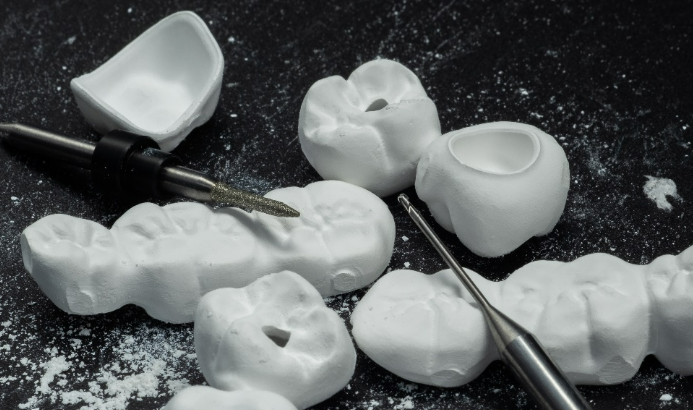
Why Moisture Damages Zirconia Blocks
Moisture ingress into zirconia blocks causes several processing issues:
- Milling Challenges: Excess moisture softens the material unevenly or causes swelling, leading to chipping, poor edge definition, or tool wear. Dry blocks mill more predictably, yielding smoother surfaces and accurate margins.
- Sintering Defects: Trapped moisture evaporates rapidly during heating, generating steam pressure that results in cracks, delamination, bubbles, or surface deformations. These flaws compromise mechanical strength—often exceeding 1000 MPa post-sintering—and aesthetics.
- Color and Translucency Issues: Moisture influences shade stability and light transmission, especially in multilayer or high-translucency blocks, reducing lifelike results.
- Overall Performance: Contaminated blocks risk lower fracture resistance and biocompatibility concerns in final restorations.
Laboratory reports and processing guidelines indicate that uncontrolled humidity accelerates these problems, increasing remake rates and costs. In regions with variable climates—like humid summers in Romania or Poland—proactive measures prove essential.
Recommended Storage Conditions
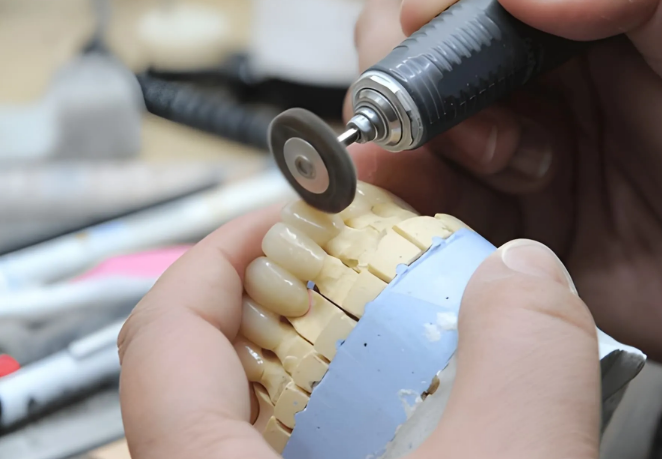
Maintain relative humidity (RH) below 40-50% for zirconia blocks, ideally 20-30% in controlled settings. Room temperature should stay 18-25°C, avoiding extremes that promote condensation.
Key practices include:
- Original Packaging: Retain blocks in sealed manufacturer packaging until use. These often feature moisture-resistant barriers and desiccants.
- Airtight Containers: Transfer opened blocks to sealed, dry containers such as plastic jars with tight lids or vacuum-sealed bags. Include silica gel packets or molecular sieve desiccants to absorb residual moisture.
- Dedicated Storage Areas: Designate a cool, dry cabinet or drawer away from sinks, windows, or high-traffic zones. Avoid basements or areas prone to dampness.
- Desiccators or Dry Boxes: For high-volume labs, use desiccators or electronic dry cabinets maintaining <20% RH. These prove particularly useful in Eastern European facilities handling large inventories.
- Inventory Management: Implement first-in, first-out (FIFO) rotation. Label blocks with receipt dates and monitor expiration, as prolonged exposure degrades even sealed products.
- Handling Protocols: Use clean gloves to prevent oil or contaminant transfer. Minimize exposure time when retrieving blocks.
These conditions align with general dental material handling recommendations, emphasizing dryness to protect properties before milling.
Practical Tips for Eastern European Labs
Eastern Europe’s diverse environments demand tailored approaches:
- Climate Considerations: In humid periods, increase desiccant checks or use air-conditioned storage rooms. Labs in coastal Romania or urban Poland benefit from dehumidifiers.
- Lab Layout Optimization: Position storage near milling stations but isolated from wet areas like model trimming or cleaning zones.
- Monitoring Tools: Employ hygrometers or digital sensors for real-time RH tracking. Set alerts for deviations above 50%.
- Post-Milling Protection: After milling, store green restorations in dry conditions before sintering to prevent additional absorption.
- Training and Documentation: Educate technicians on moisture risks and protocols. Maintain logs for storage conditions and block performance.
Adopting these reduces defects significantly. Labs report fewer sintering cracks and improved milling consistency when humidity stays controlled.
Consequences of Poor Storage and Prevention Benefits
Neglecting moisture control leads to visible issues like microcracks post-sintering or invisible weaknesses causing early failures. Remakes increase costs and delay patient care, critical in competitive markets like dental tourism in Hungary or the Czech Republic.
Conversely, proper storage yields:
- Enhanced milling accuracy for better marginal fit.
- Reliable sintering outcomes with uniform shrinkage.
- Superior strength and translucency in finished restorations.
- Reduced waste and operational efficiency.
Studies on zirconia processing highlight that controlled environments preserve radiopacity, mechanical integrity, and optical qualities longer.
Integration with Broader Workflows
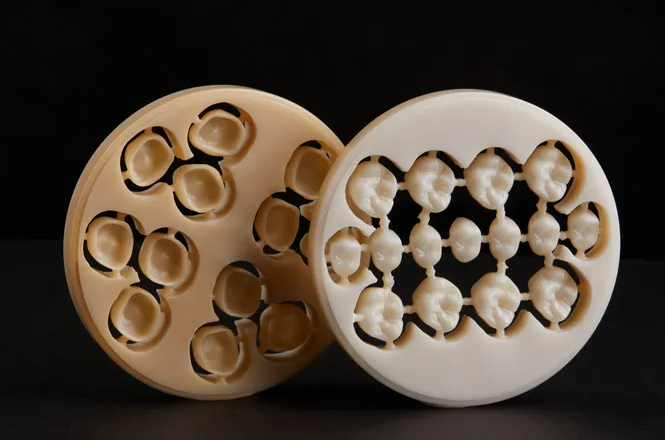
Storage links to overall digital dentistry success. Dry blocks pair well with dry milling—preferred for zirconia to avoid extra drying steps and contamination risks from wet systems. In labs combining milling and sintering, consistent dryness streamlines workflows.
For high-translucency or multilayer blocks, moisture sensitivity heightens, making strict protocols non-negotiable.
Conclusion
Zirconia block storage demands vigilance against moisture to safeguard milling precision and sintering reliability. By maintaining low humidity, using sealed containers with desiccants, and implementing monitoring in labs across Eastern Europe, professionals ensure high-quality restorations that meet patient expectations. These essential techniques—dry, clean, controlled—represent a laboratory must-have, preventing avoidable issues and supporting excellence in dental prosthetics throughout Poland, Hungary, Romania, the Czech Republic, and beyond.
Post time: Jan-16-2026